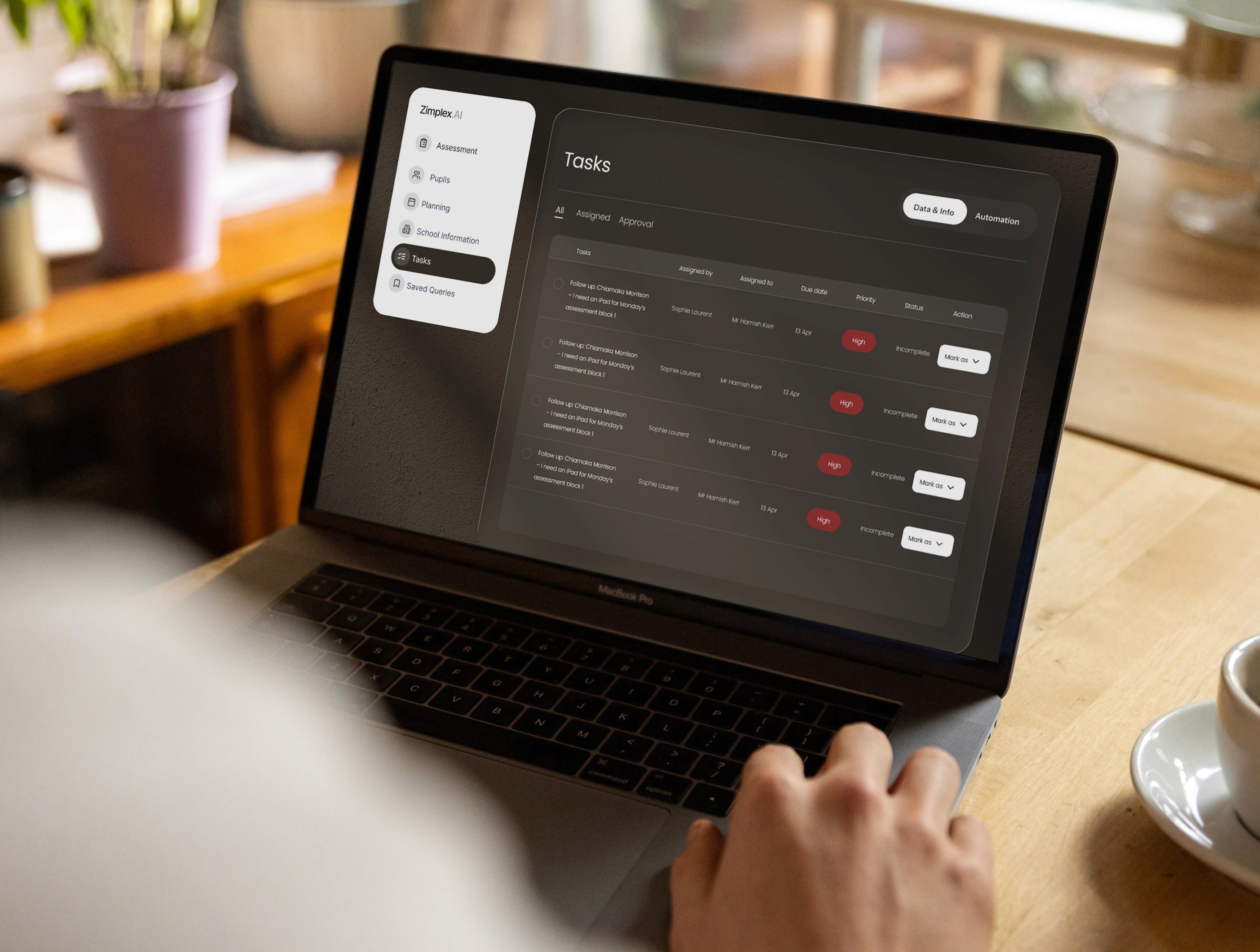
Understanding teacher workload within Scotland
Product Design, User Research
Project Duration
8 months
About the project
Zimplex is a Scottish startup focused on reducing teacher workload through smarter school systems. Working alongside schools across Scotland, we uncovered key operational challenges that shaped the product direction and helped secure government funding.
Who for
Zimplex, a platform simplifying school systems and reducing teacher workload through technology
My Role
Led end-to-end product design, covering User research, synthesis, Product MVP and brand
Collaboration
Worked closely with teachers, school leaders, and support staff through workshops and in-school sessions to understand real workflows. Collaborated with CivTech stakeholders and developers to shape solutions aligned to both user needs and government priorities.
The Problem
Scottish teachers spend over 11 hours a week working outside contracted hours, with planning, preparing resources, and marking consistently cited as tasks that cannot fit within the working day. The more evenings and weekends teachers give up, the lower their job satisfaction becomes. Zimplex was built to change that.
Discovery
Process & Approach
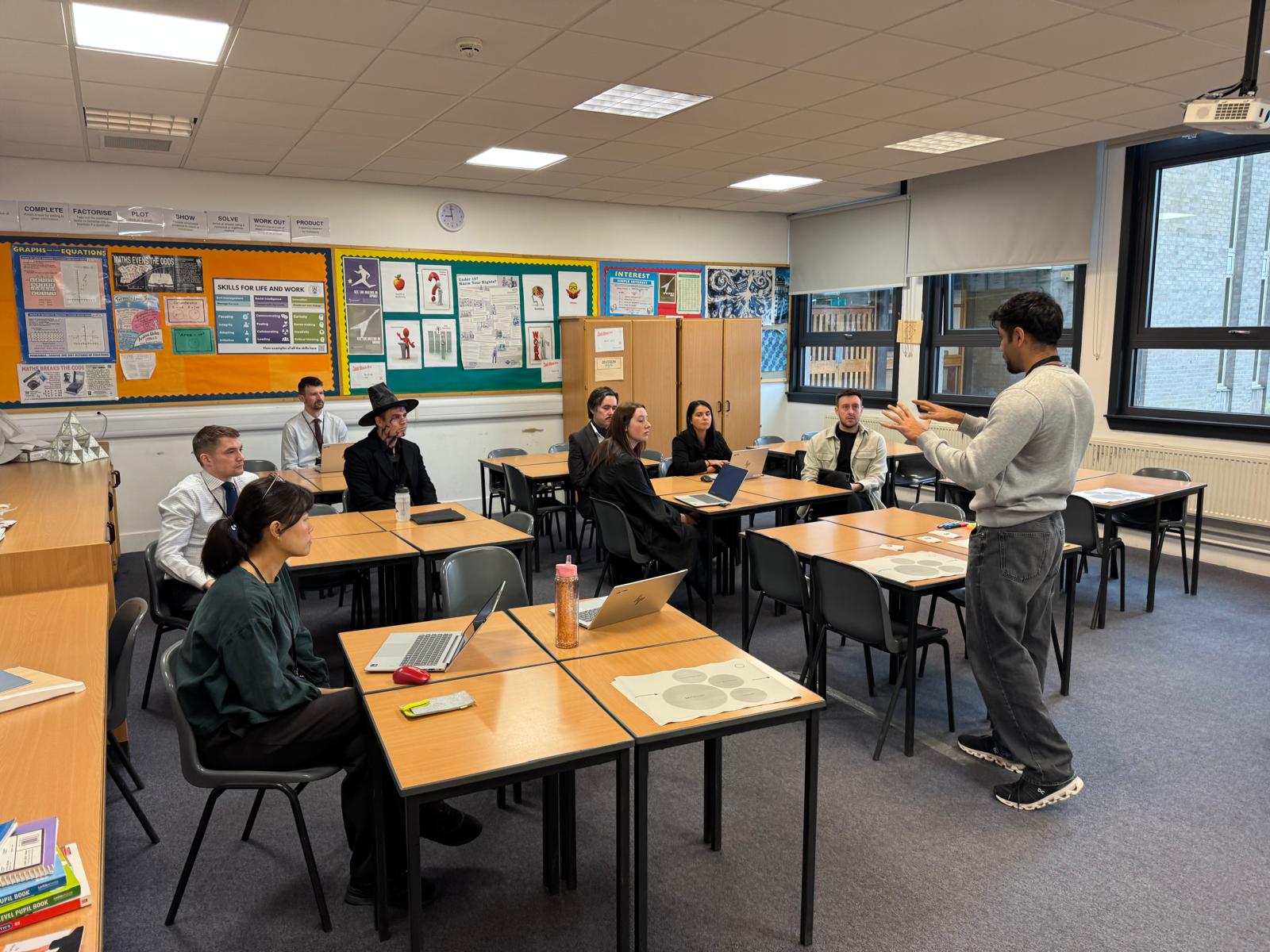
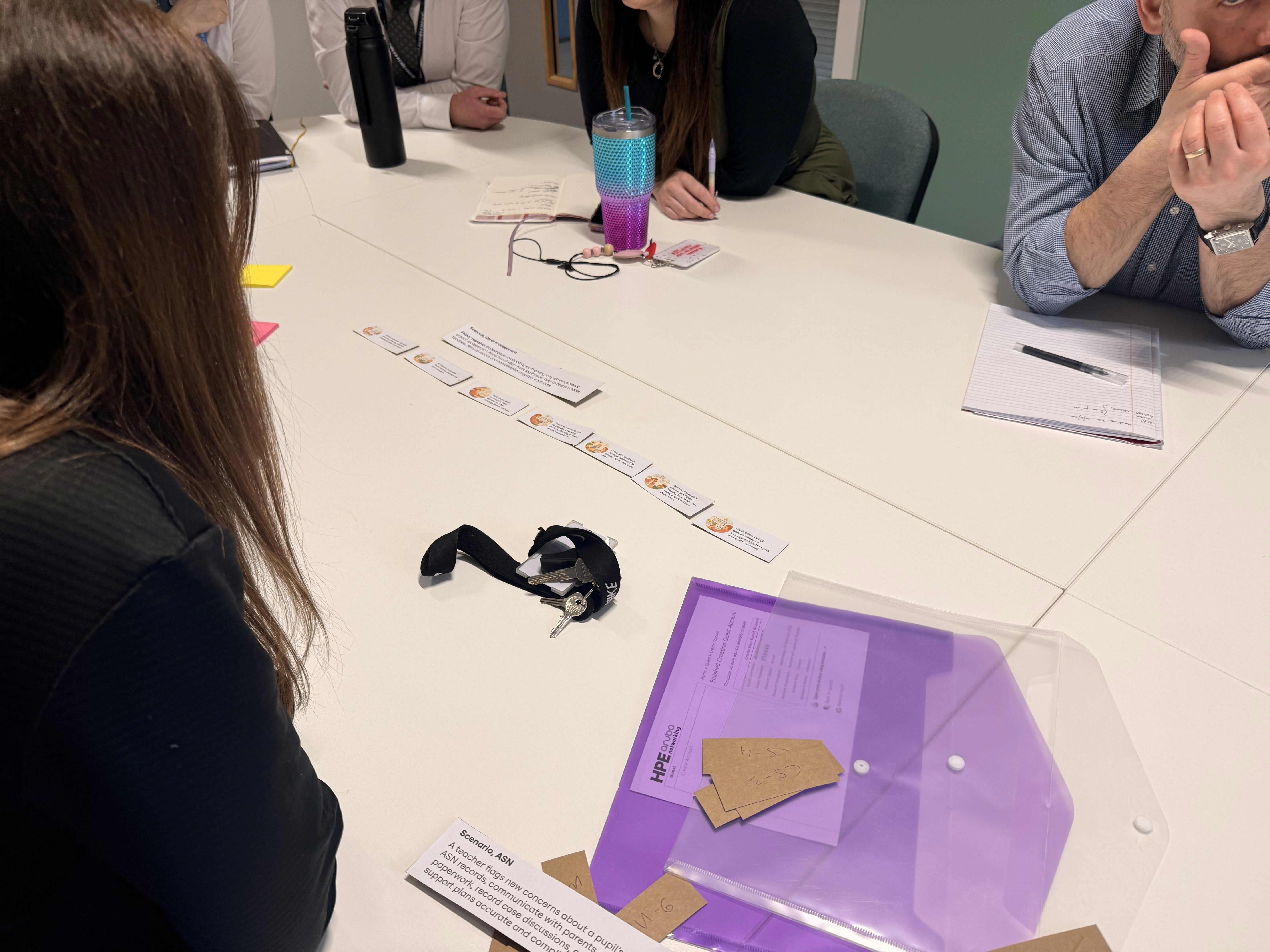
Led Research workshops across Scotland to understand what causes increased workload for teachers
I ran interviews and shadowing across schools and translated what I heard into journey maps for the highest-friction workflows: marking attendance, raising purchase orders on Oracle, cover management, creating and delivering assessments, ASN updates, parental communication, classroom behaviour, and trip planning. Each map captured tasks, tools, pain points, quotes and insights, exposing where time leaked between systems and where the human work actually lived.
Applying the Scottish approach to service design
Throughout the process, we applied the Scottish Approach to Service Design alongside the Government Digital Service design principles. This ensured a structured and effective methodology for gathering insights, identifying user needs, and informing design decisions.
Define
Research methods and insights
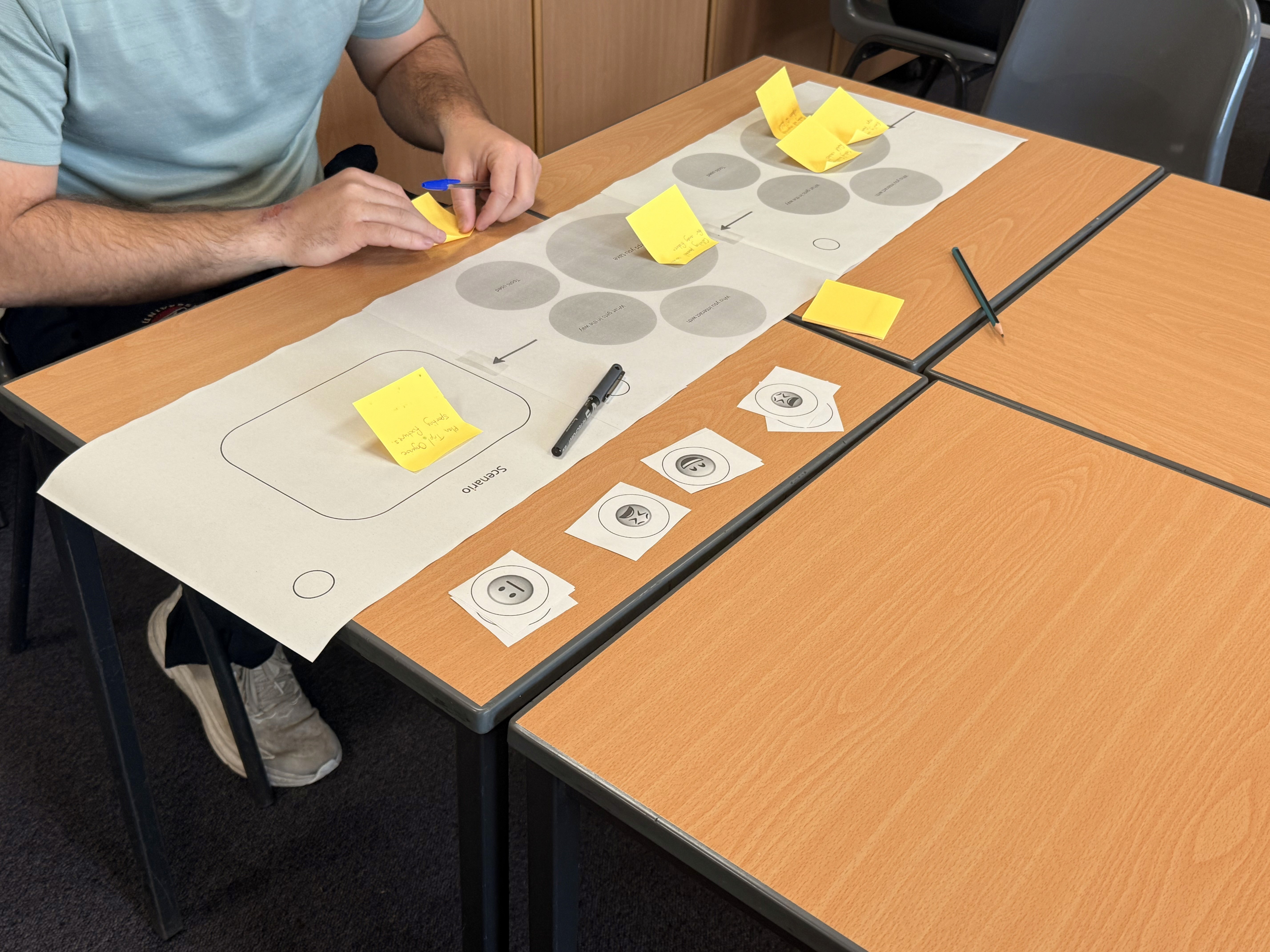
Current-state journeys were translated into future-state scenarios of use for planned absence cover, creating an assessment, trip planning, attendance and parent comms, ASN updates and school-policy retrieval. Each scenario maps trigger to system action to human decision to handoff, annotated with the digital artefact the user sees at every step.
Fragmented data spread across various softwares
Teachers were navigating multiple disconnected systems with no single source of truth. Data lived in silos, meaning the same information often had to be entered across several platforms. This duplication was one of the most consistent and significant contributors to increased workload uncovered during our research.
Repetitive workflows due to duplication of information
With no automation or joined-up processes in place, many tasks were being carried out manually and repeatedly across different systems. Beyond the time cost, this created real risk. When steps were missed or information fell through the gaps, it created a ripple effect that added further work and pressure further down the line.
Critical communication being lost resulting in increased workload
Information was scattered across multiple channels with no centralised place for updates to land. As a result, important messages were frequently missed or misunderstood, leading to confusion among teachers and delays in student support that had a direct impact on the wider learning experience.
Develop
Key user journeys we focused on
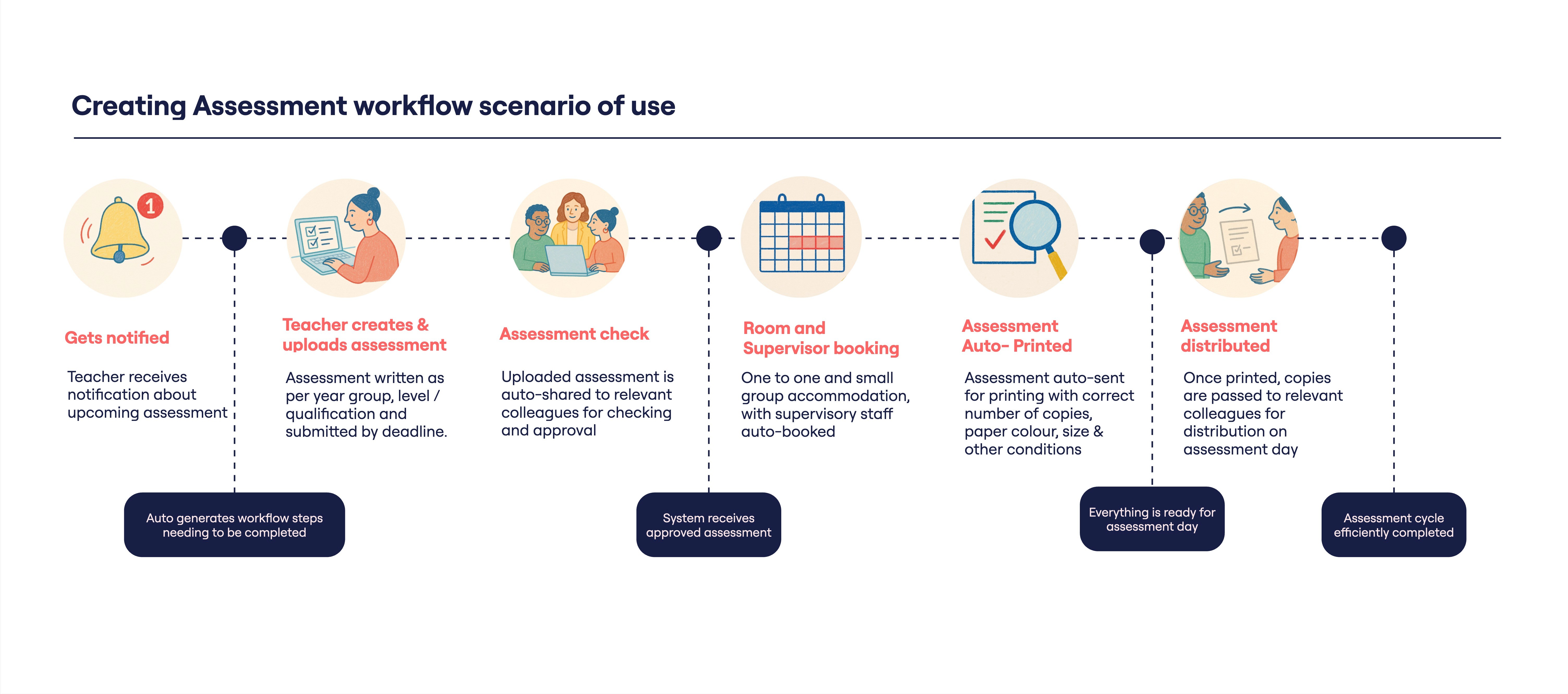
Scenarios of use for creating assessments for students
From the research, we focused on a number of key workflows, one of which was the assessment journey. We mapped this into an ideal scenario of use, exploring how the experience would function if the ideal solution was in place. Once defined, we returned to teachers to validate the journey further and understand how they envisioned the workflow operating in practice.
User Journey for storing and accessing ASN information
We also mapped a user journey around storing and accessing ASN information, as this proved to be another highly time consuming task for teachers. Mapping the journey created clarity around key pain points, helping identify where the strongest design opportunities existed.

Delivery
Design synthesis and opportunity
From the user journeys and research sessions with teachers, we focused on two key opportunity areas.
Data and Information
The first was data and information. Teachers were spending excessive amounts of time piecing together student information across fragmented systems in order to make informed decisions. Constantly referencing back and forth between platforms slowed the entire process down.
Automating workflows
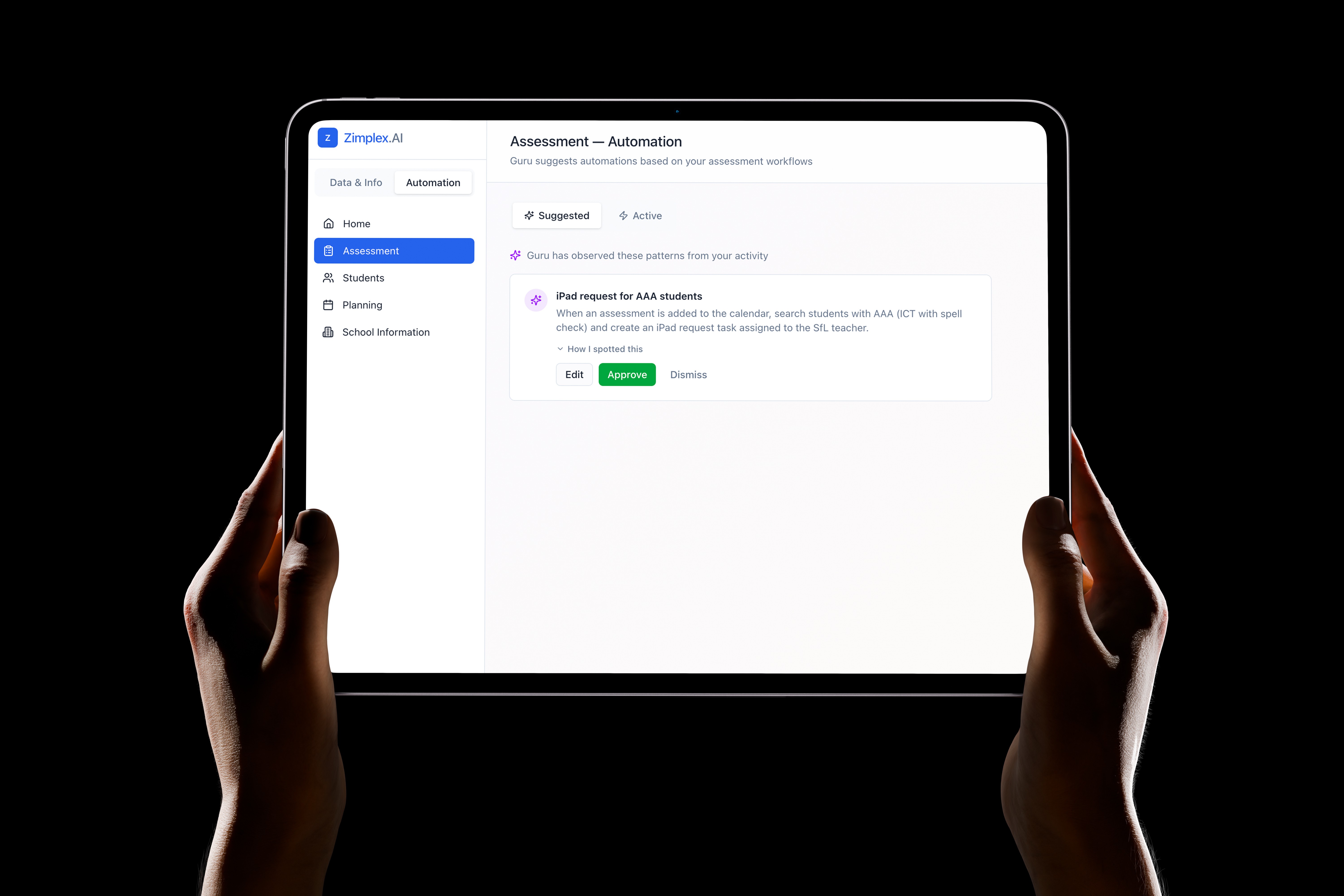
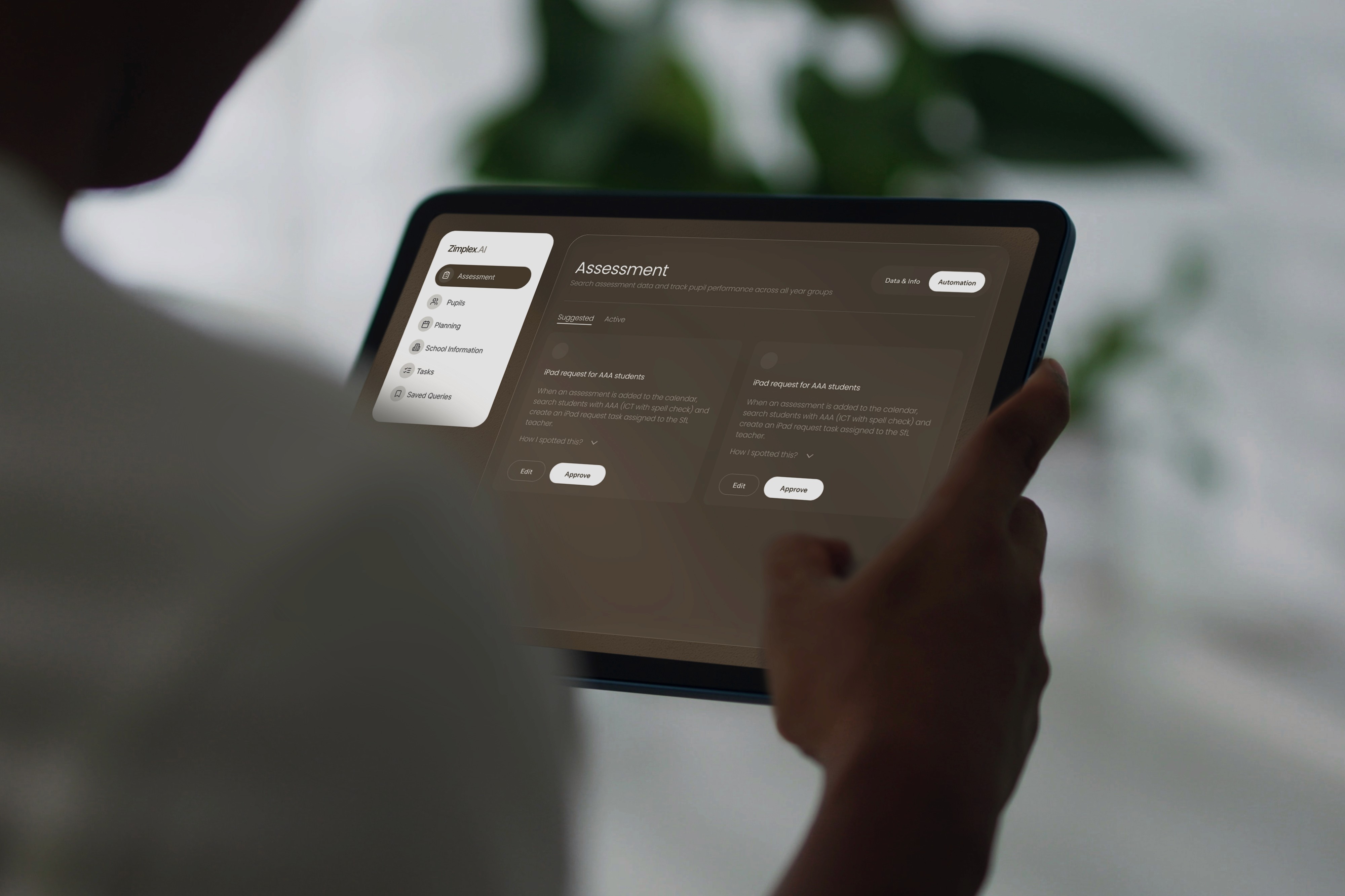
The second area was automating workflows. Once teachers located the information they needed, much of the work that followed was repetitive and manual. Our focus was on identifying opportunities to automate parts of these workflows to help reduce admin time and free teachers up to focus on teaching
How teachers access data and information
A centralised view that brings together key student data such as attendance, behaviour, and attainment, allowing teachers to quickly access everything in one place when preparing for lessons or reviews
Automating repetitive workflows that helps reduce teacher workload
Automates everyday tasks such as logging behaviour, tracking attendance, and assigning follow-ups, reducing manual effort and freeing up time for teaching and student support
Using AI tools to ideate quickly
We used AI tools like Figma make to ideate on the solutions quickly, helping produce the framework of the product, this helped as reach the desired solution much more quickly
Outcome and Impact
Training sessions within Scottish Government
Beyond the funding, the research approach itself opened doors. We were invited to run sessions within the Scottish Government's own user research department, sharing the methodology and what we had learned from working inside schools. That kind of reach is rare for a startup engagement and reflected how seriously the work was taken.
A clear MVP for the company to take to market
Through the research and insights we were able to create a MVP for the product. This helped create a clear narrative of the solution being proposed and how it will reduce teacher workload.
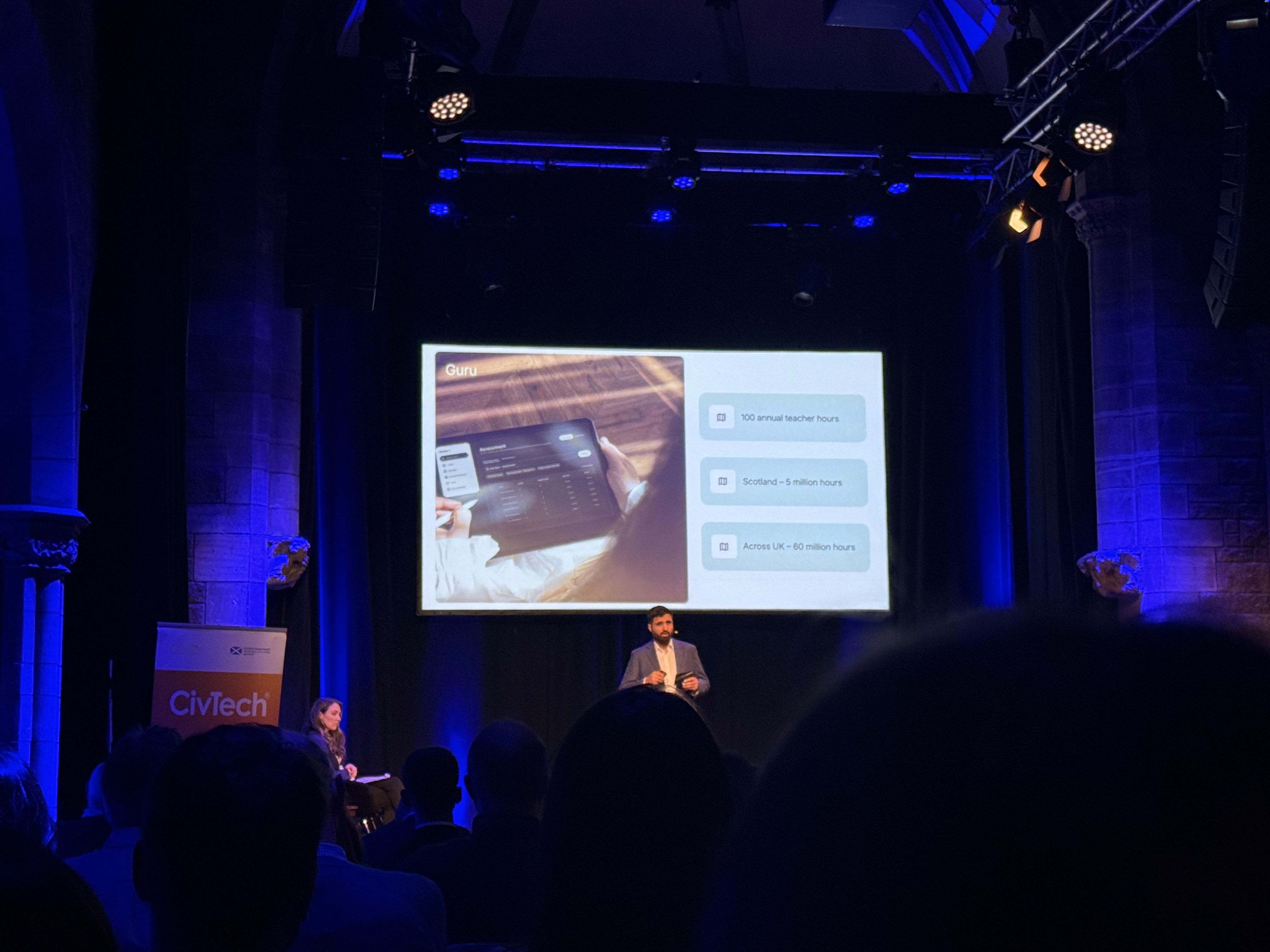
A chance to present solution to wider stakeholders within the government and investors
The founder had the opportunity to present the solution to wider audiences, allowing for conversations to start for potential further investment
"Your thoughtful and creative approach to school engagement really stood out, and it was exciting to see how you encouraged teachers to get involved in the workshops, especially as user research is still a relatively new area in education." - Sophie Finlayson, Learning Directorate, Scottish Government